Invasive Vegetation is Changing New Englands Iconic Landscape
To find out how, read below or click on other tabs to find out more information on the impacts of invasive plants.
Click text with orange font for further information.
What is invasive vegetation?
Invasive vegetation is not simply “unwanted growth.” It consists of non-native plant species that lack natural controls so it spreads aggressively, disrupts ecosystems, destabilizes landscapes, and compromises structural integrity. Some invasive vines can overwhelm and weaken mature trees, increasing the risk of fallen limbs or entire tree failure that can damage homes, fences, and other property.
Left unmanaged, these species can permanently alter the ecological balance, safety, and character of New England landscapes.
How Invasive Plants Threaten New Englands Iconic Landscape
A foliage forecaster for Yankee Magazine recently noted, “There are threats on all sides to what we consider a beautiful New England forest.” In an interview with WCVB 5 News, three major drivers were identified: climate change, invasive insects, and invasive plants.
Peer-reviewed research supports this concern. A 2023 study published in Nature found that as invasive plant species expand beyond their native ranges, they can alter ecosystem structure and competitive dynamics, contributing to long-term changes in forest composition. Together, scientific evidence and regional reporting point to a measurable shift in the composition and resilience of New England’s forests.
In New England, invasive plants most often threaten forest regeneration and canopy stability. While mature trees may survive for years, invasive vegetation suppresses seedling growth, girdles trunks, and alters soil conditions, gradually shifting the future composition of New England forests.
Why This Matters for New England
New England’s fall foliage industry generates billions of dollars annually in tourism revenue, and the vibrant autumn colors are also one of the reasons so many people choose to live here. Invasive vegetation threatens not only biodiversity but also the regeneration of the very tree species that define the region’s forests, landscapes, and economy.
Unchecked invasive growth does not simply crowd out plants, it reshapes the future tree canopy of Massachusetts and all of New England.
Trees Most Threatened by Invasive Plants
Below is a list of most vulnerable trees.
If you are considering planting a tree, consider planting one of these.
1. Sugar Maple
Sugar maple
Fall Color: Brilliant orange, red, and gold
Economic Contribution: Foundation of New England’s maple syrup industry and a major driver of fall foliage tourism
Most Harmed By:
-
Garlic mustard (disrupts mycorrhizal fungi critical to seedlings)
-
Norway maple (direct canopy competitor)
-
Japanese barberry (dense understory suppression)
- Japanese knotweed (threatens riparian corridors where regeneration occurs)
Sugar maple regeneration is highly sensitive to soil chemistry disruption and light competition, making it one of the most vulnerable long-term canopy species.
2. Northern Red Oak
Northern red oak
Fall Color: Deep red to russet
Economic Contribution: High-value hardwood used in flooring, cabinetry, and construction
Most Harmed By:
-
Japanese barberry
-
Multiflora rose
-
Garlic mustard
-
Oriental bittersweet (canopy stress)
Oak seedlings require light and space; dense invasive thickets dramatically reduce successful regeneration.
3. White Oak
White oak
Fall Color: Redish-brown to purple-red
Economic Contribution: Premium hardwood used in furniture and cooperage
Most Harmed By:
-
Japanese barberry
-
Multiflora rose
-
Garlic mustard
-
Oriental bittersweet (girdling mature trees)
White oak regeneration declines significantly under invasive shrub dominance.
4. Eastern Hemlock
Eastern hemlock
Fall Color: Evergreen (deep green year-round)
Economic Contribution: Essential for watershed protection and cold-water fisheries habitat
Most Harmed By:
-
Japanese barberry
-
Multiflora rose
-
Porcelain berry
-
Oriental bittersweet
- Japanese knotweed (largely streamside stands and regeneration suppression)
Hemlock seedlings struggle in dense understory conditions created by invasive shrubs and vines.
5. Red Maple
Red maple
Fall Color: Bright red to scarlet
Economic Contribution: Important hardwood species and contributor to foliage tourism
Most Harmed By:
-
Norway maple (direct competitor)
-
Japanese barberry
-
Garlic mustard
-
Oriental bittersweet
- Japanese knotweed (regeneration suppression and riparian areas)
Red maple is adaptable but still suppressed under dense invasive competition.
6. American Beech
American beech
Fall Color: Golden bronze
Economic Contribution: Important wildlife mast producer and native forest component
Most Harmed By:
-
Japanese barberry
-
Garlic mustard
-
Multiflora rose
Beech seedlings are easily suppressed by invasive groundcover and shrub layers.
Why this matters to Massachusetts
New England’s fall foliage industry generates billions of dollars annually in tourism revenue, and the vibrant autumn colors are also one of the reasons so many people choose to live here. Invasive vegetation threatens not only biodiversity but also the regeneration of the very tree species that define the region’s forests, landscapes, and economy.
Unchecked invasive growth does not simply crowd out native New England plants, they prevent new ones from germinating gradually reshaping the future tree canopy of Massachusetts. Native Horizons exists to help maintain New England’s native landscapes by helping people and nature thrive together. Through responsible vegetation management, we aim to give native vegetation a brand-new horizon.
Structural and Landscape Damage
Some invasive species cause direct physical damage:
-
- Japanese knotweed forms dense rhizome networks that can exploit cracks in pavement, home foundations, and retaining walls.
- Oriental bittersweet climbs and girdles trees, increasing windthrow risk and canopy collapse potentially damaging homes or buildings.
- Aggressive vines and shrubs can also add weight to tree canopies, increasing storm vulnerability.
Over time, unmanaged infestations can lead to tree loss, slope destabilization, drainage disruption, prooperty damage, and increased long-term maintenance costs.
As infestations spread, they increase maintenance costs, damage trees and structures, reduce property value, and require more intensive long-term management.
Aggressive vines such as bittersweet and porcelain berry can girdle and weaken mature trees, raising storm-failure risk, costly removal expenses and property damage.
Dense invasive shrubs, like multiflora rose and Japanese barberry, crowd out lawns and garden beds, block sightlines, restrict access to portions of the property, and create ideal conditions for ticks and other pests.
Local municipalities and conservation groups also bear rising control and restoration expenses, which ultimately affect local budgets and taxpayers.
Addressing invasive vegetation early protects both environmental health and financial investment.
Ecological Disruption of Invasive Plants
Invasive plants can cause serious problems for local landscapes. They can:
-
Crowd out native plants by taking the light, nutrients, and space they need to grow
-
A single type of plant, such as garlic mustard or Japanese knotweed, can form large dense patches that push out other vegetation, reducing plant diversity
-
Change the health of the soil, making it harder for native plants to grow
-
The loss of native plants disrupts food sources for native insects, birds, and native animals that depend on native plants
-
Invasive plants increase erosion, especially along streambanks and slopes
When plant diversity declines, the health of the entire landscape declines with it, plants, insects and animals.
Native plants support complex food webs that insects, birds, and wildlife, that are native to New England, rely on. Many invasive plants do not.
National Impacts
Invasive species, including plants, cost the United States an estimated $20 billion or more annually in management expenses, infrastructure damage, agricultural losses, and ecological restoration efforts. These costs include public land management, reduced crop and timber productivity, damage to roads and foundations, and long-term environmental degradation.
These invasive species alter forests, wetlands, and agricultural lands, weaken native plant communities, and increase long-term restoration costs.
What begins as a localized infestation can contribute to broader environmental and economic strain across the country.
Native plants support complex food webs that support native plants and animals;
invasive species often do not.
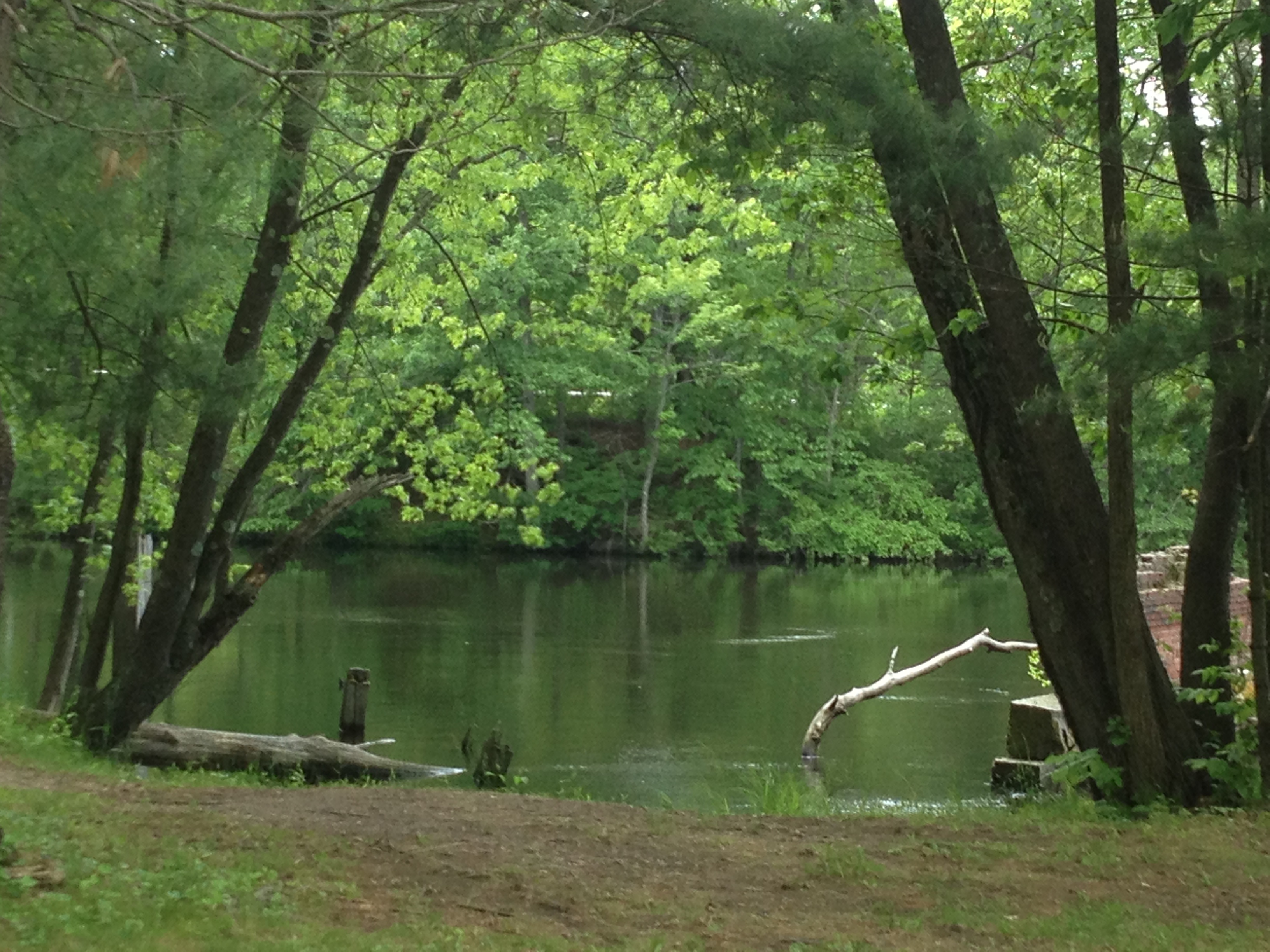
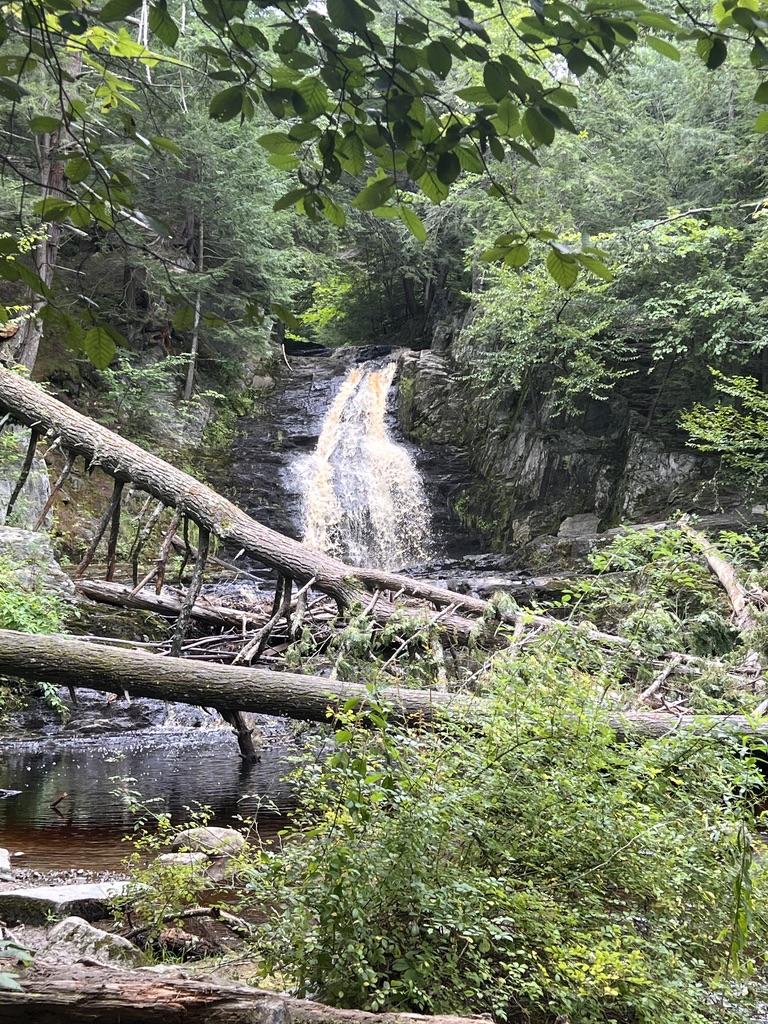
With responsible management, we can take action against invasive plants and help give native New England landscapes a new horizon.
We specialize in treating poison ivy in eradicating or removing poison ivy, Oriental bittersweet, Japanese knotweed, black swallow-wort, multiflora rose, autumn olive, Norway maple, porcelain berry, and Japanese Barberry throughout Massachusetts, including the towns of Acton, Amesbury, Andover, Arlington, Bedford, Beverly, Billerica, Boxford, Burlington, Carlisle, Chelmsford, Concord, Georgetown, Gloucester, Harvard, Haverhill, Hollis, Hudson, Ipswich, Kensington, Lancaster, Leominster, Lexington, Littleton, Lunenburg, Methuen, Newbury, Newburyport, North Andover, North Reading, Pepperell, Reading, Rowley, Stoneham, Topsfield, Townsend, West Newbury, West Townsend, Westford, Weston, Wilmington, Winchester, Woburn and other surrounding towns.
We also eradicate poison ivy in the counties of:
- Barnstable County, MA
- Bristol County, MA
- Middlesex County, MA
- Norfolk County, MA
- Plymouth County, MA
- Worcester County, MA
Helping People & Native Landscapes Thrive Together!
Our Contact Info:
Office Phone: (978) 401-9675
Email: office@killpoisonivy.us
Feel free to contact us with any questions about our services.