Invasive
Plant
Control
Services
Our work reflects decades of field experience, environmental knowledge, and exceptional customer care, supported by our written one-year eradication guarantee.
1. Free Property Assessment
One of our licensed specialists will meet with you on your property to evaluate your eradication goals, and provide a treatment plan with a straightforward quote. This assessment is FREE.
2. Targeted Treatment
Once you approve the treatment plan, we implement the treatment plan with a strategic approach designed to eliminate the root network.
3. Guarantee
Our treatment plans are backed by a one-year written guarantee. If contracted vegetation returns in areas we treated within that period, we will come back and eradicate it at no additional charge.
4. Rescan Program
Following the one-year guarantee, our clients can participate in our Annual Rescan Program — safeguarding your investment and long-term property value.
Different invasive plants can have different eradication needs. Each of our treatment plans is tailored to your specific personal and vegetation requirements.
Invasive Plants We Treat
For more information on a particular invasive plant, click its image.
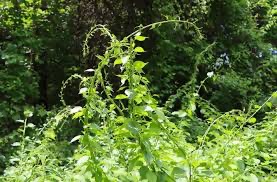
Asiatic Bittersweet
Asiatic or oriental bittersweet is an aggressive, woody vine that rapidly overtakes trees, shrubs, and structures. It climbs by twining tightly around trunks and branches, eventually girdling trees and restricting the flow of water and nutrients. As the vine matures, it becomes thick and heavy, significantly raising the risk of storm damage or canopy collapse.
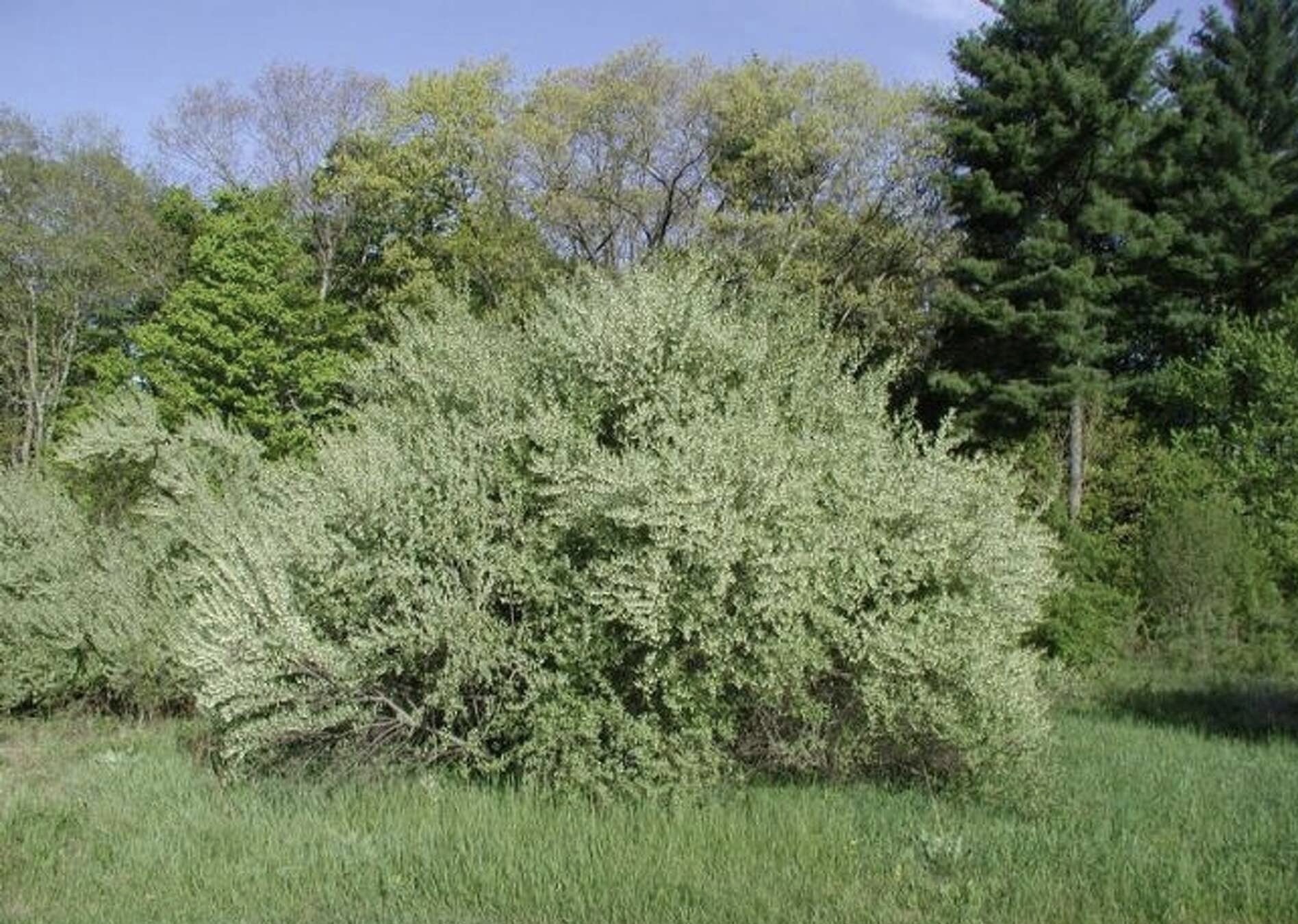
Autumn Olive
Autumn olive has become widespread across conservation land, pastures, and residential properties. It alters soil chemistry by increasing nitrogen levels, which disrupts native plant communities and accelerates further invasive growth. Left unmanaged, it reduces biodiversity, and increases long-term landscape maintenance costs.
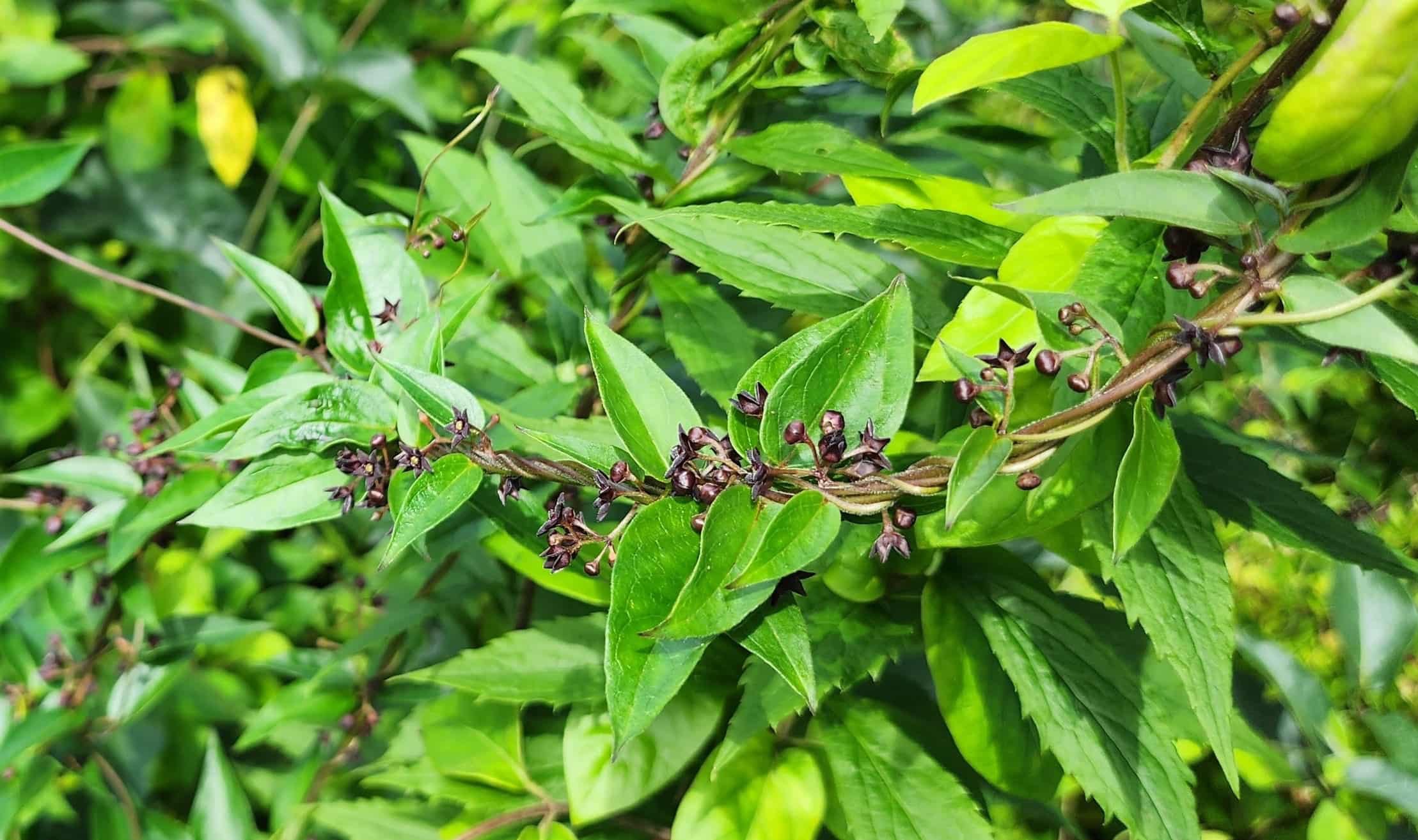
Black Swallow-wort
An aggressive invasive vine that forms dense mats that crowd out native vegetation — including milkweed, the primary host plant monarch butterflies rely on for reproduction.
Monarchs may mistake black swallow-wort for milkweed and lay their eggs on it. However, the plant cannot properly support monarch larvae, resulting in failed development and reduced butterfly survival.
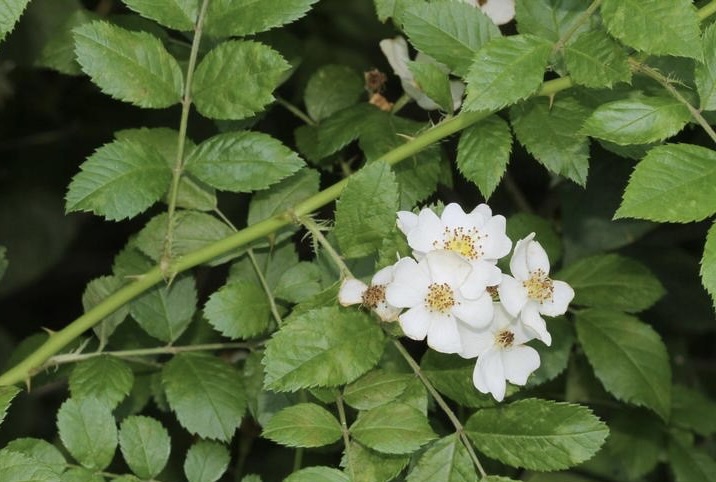
Multiflora Rose
A fast-spreading invasive shrub that forms dense, thorny thickets across fields, forest edges, and residential properties throughout Massachusetts. Originally introduced for erosion control and living fences, it now crowds out native plants and restricts natural forest regeneration.
Its aggressive growth and sharp, curved thorns make landscapes difficult to access and manage.
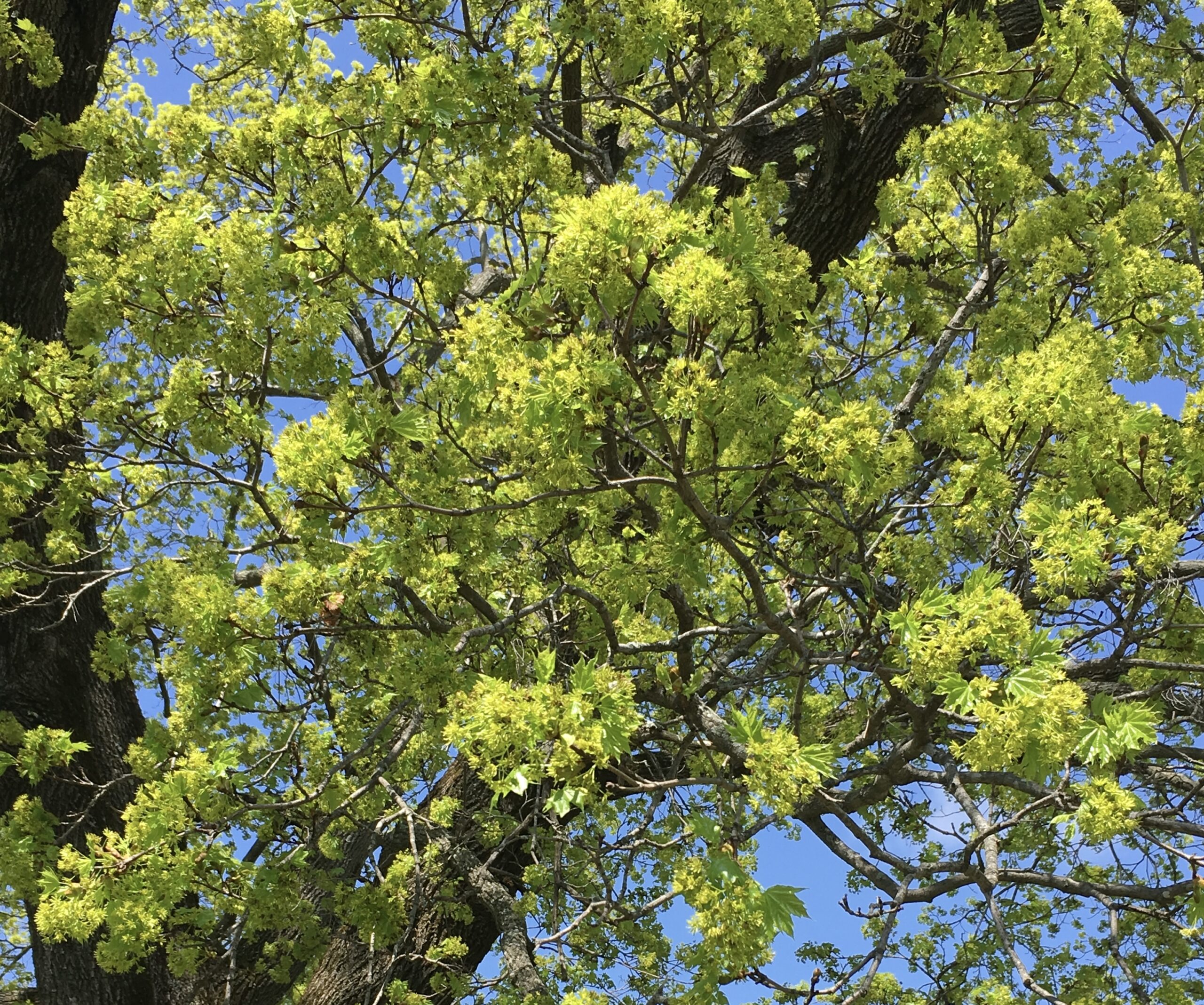
Norway Maple
Norway maple is an invasive tree species widely planted in urban and suburban landscapes throughout Massachusetts. It spreads aggressively into forests and residential properties.
Its thick canopy blocks sunlight from reaching the forest floor, preventing native plants and tree seedlings from regenerating. In many areas, Norway maple crowds out native sugar maple, reducing New England’s iconic fall foliage and maple syrup production.
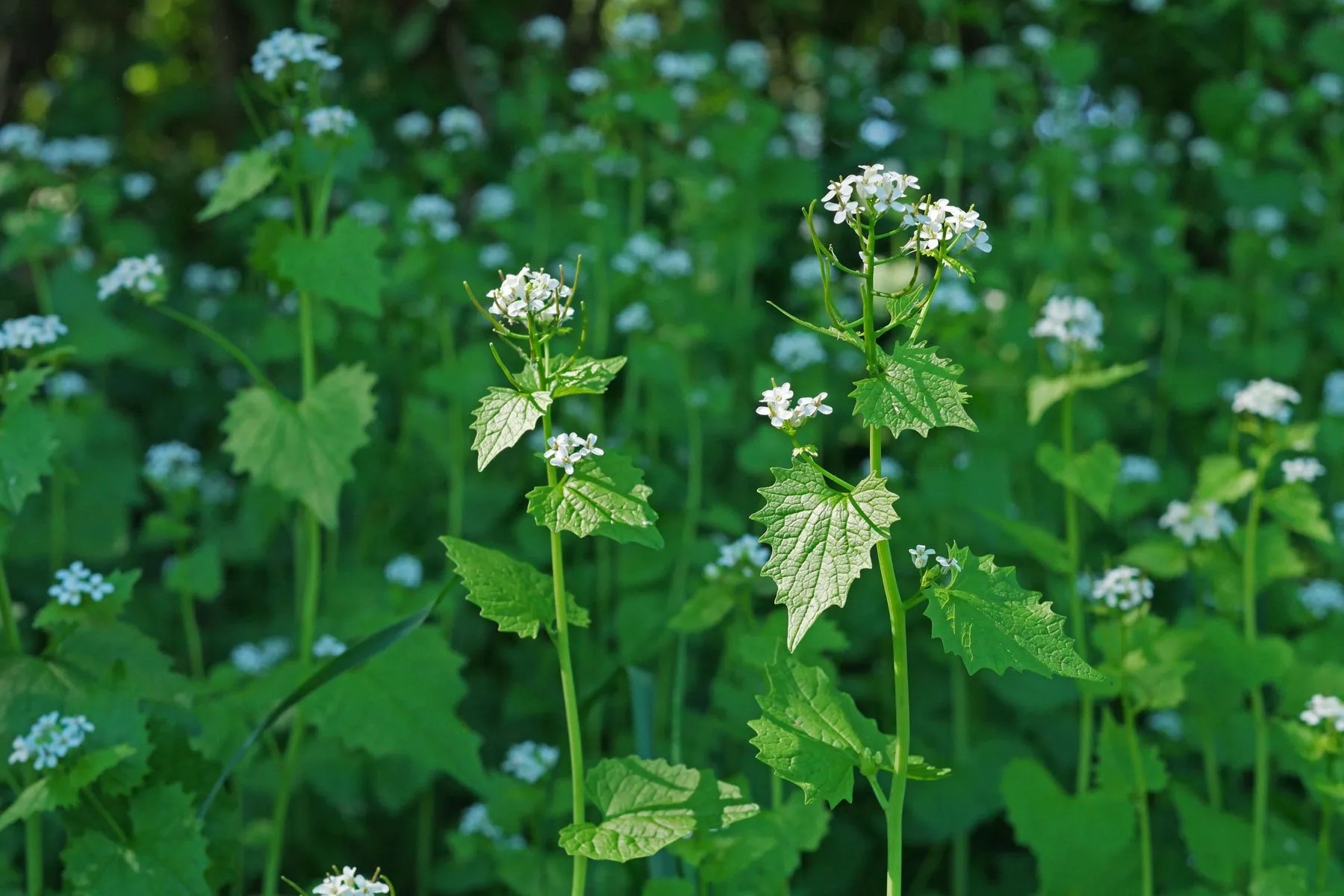
Garlic Mustard
Easily identified by its heart-shaped leaves and the distinct garlic odor released when the foliage is crushed. It forms dense groundcover that crowds out native wildflowers and tree seedlings.
Garlic mustard releases chemicals into the soil that inhibit the growth of surrounding native plants, disrupting the regeneration of hardwood species such as sugar maple, red maple, oak, beech, ash, and eastern hemlock. Left unmanaged, it can alter long-term forest health and composition of Massachusetts forests.
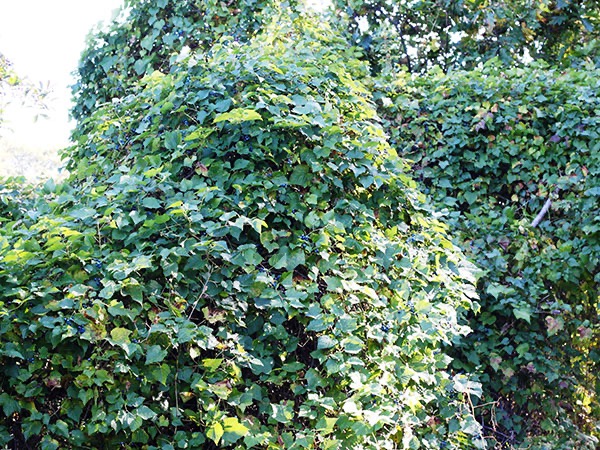
Porcelain Berry
A fast-growing invasive vine, it is often mistaken for wild grape but can be identified by its striking, multicolored berries — shades of blue, purple, turquoise, and pink, that appear in late summer.
The vine climbs aggressively over shrubs and trees, forming dense mats that block sunlight. Over time, it can smother young trees, reduces biodiversity and weigh down mature ones, increasing stress, storm vulnerability and increases long-term landscape maintenance challenges.
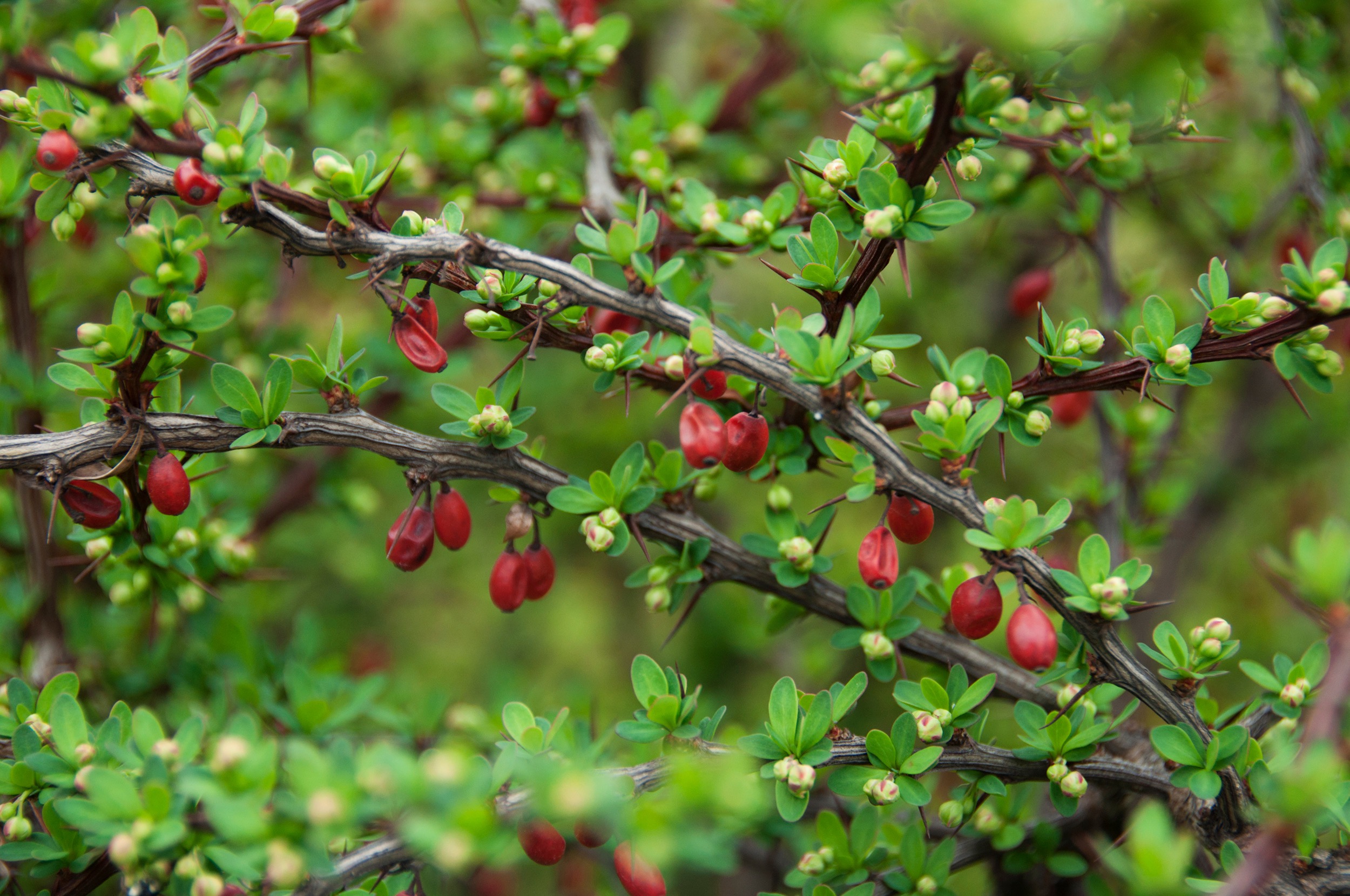
Japanese Barberry
Japanese barberry is a thorny invasive shrub that forms dense thickets across Massachusetts woodlands and residential landscapes. Originally introduced as an ornamental plant, it now spreads aggressively by seed and root expansion.
Its dense growth crowds out native understory plants and tree seedlings, reducing biodiversity and disrupting natural forest regeneration. Japanese barberry also creates humid, shaded microclimates that have been associated with increased tick populations.
Native plants support complex food webs that support native plants and animals;
invasive species often do not.
Fill Out the Form Below to Set Up Your Free Property Assessment
We specialize in removing or eradicating garlic mustard, Asiatic bittersweet, Norway maple, autumn olive, black swallow-wort, multiflora rose, porcelain berry and Japanese barberry throughout Massachusetts, including the towns of Acton, Amesbury, Andover, Arlington, Bedford, Beverly, Billerica, Boxford, Burlington, Carlisle, Chelmsford, Concord, Georgetown, Gloucester, Harvard, Haverhill, Hollis, Hudson, Ipswich, Kensington, Lancaster, Leominster, Lexington, Littleton, Lunenburg, Methuen, Newbury, Newburyport, North Andover, North Reading, Pepperell, Reading, Rowley, Stoneham, Topsfield, Townsend, West Newbury, West Townsend, Westford, Weston, Wilmington, Winchester, Woburn and other surrounding towns.
We also specialize in removing or eradicating garlic mustard, Asiatic bittersweet, Norway maple, autumn olive, black swallow-wort, multiflora rose, porcelain berry and Japanese barberry in the counties of:
- Barnstable County, MA
- Bristol County, MA
- Middlesex County, MA
- Norfolk County, MA
- Plymouth County, MA
- Worcester County, MA

Helping People & Native Landscapes Thrive Together!
Our Contact Info:
Office Phone: (978) 401-9675
Email: office@killpoisonivy.us
Feel free to contact us with any questions about our services.